
Why Your DIY Inheritance Tax Plan Could Be a Costly Illusion
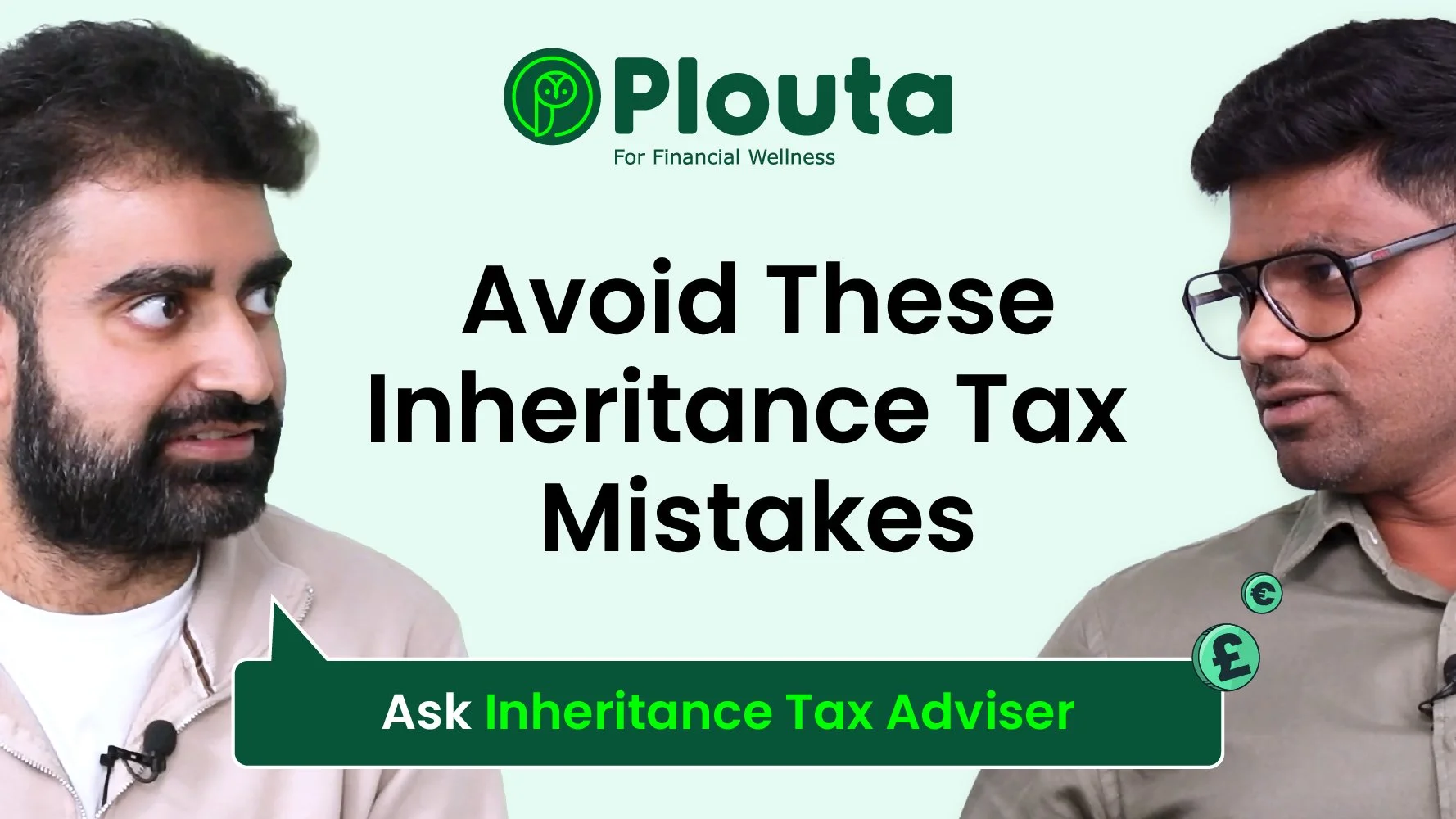
In the high-stakes world of estate planning, the temptation to "DIY" is powerful. We all want to protect our legacy without handing over a significant portion of it to professional fees before the taxman even arrives. It feels like a win: you find a legal "buzzword," you pay for the document, and you tuck it away in a drawer, confident that your inheritance tax (IHT) problem is solved.
But what if that document is nothing more than an expensive paperweight? There is a growing, quiet epidemic of individuals paying for legal trusts that, when the time comes for probate, achieve absolutely nothing. They possess the paperwork, but they lack the strategy. This guide explores why a "cheap" shortcut often leads to a graveyard of administrative errors—and how to tell if your current plan is a functional strategy or merely a legal mirage.
The "Paperwork" Trap: Why a Trust Isn’t a Magic Button
A common trap for the DIY-minded is seeking legal implementation without professional tax advice. Many people approach a solicitor with a specific request—"I want a property trust"—without understanding that a trust is not a set-it-and-forget-it solution.
When you buy the "product" (the trust document) without the "service" (the tax strategy), the result is often a disconnect between legal reality and financial practice. In many cases, while a piece of paper exists, the reality of the situation remains unchanged. We see the same administrative failures repeated:
Income Mismanagement: Rental income from "trust" properties continues to flow into personal bank accounts rather than a dedicated trust account.
Reporting Errors: Profits are erroneously reported on individual tax returns instead of trust returns.
Title Neglect: The most damning failure—the legal title deeds are never actually transferred into the name of the trust.
Registration Omissions: The trust is never registered with the relevant authorities, making it invisible for tax purposes.
If you haven't changed the way you handle the asset, the tax office won't change the way they tax it. As inheritance tax expert Sanjay notes: "A trust doesn't automatically save you inheritance tax... they just hear tax saving and trust and they go with it and that's it."
Product vs. Advice: Knowing the Difference Between Your Solicitor and Your Advisor
The core of the DIY failure lies in a misunderstanding of professional roles. Most people head straight to a solicitor because they believe they need a document. However, solicitors are often in the business of selling a product—the legal document you requested. If you walk in and ask for a trust, they will likely draft one. They aren't necessarily tasked with telling you if it’s the most efficient move for your specific portfolio.
A tax advisor, by contrast, provides a service—the strategy. Their job is to analyze your estate and determine if a trust is even necessary. In many cases, the most valuable advice an expert can give is that you don't need the expensive product you were planning to buy.
The Tax Advisor Should Instruct the Solicitor
To avoid the "product trap," the hierarchy must be clear: the strategy comes first, then the paperwork. The tax advisor should design the architecture of the plan and then provide specific, technical instructions to the solicitor on how to structure the legal documents to support that plan.
Before you sit down with an advisor, you must complete the "pro-tip" pre-work to ensure the advice is accurate:
A Comprehensive Asset List: Every property, account, and investment.
Current Market Values: Real-world estimates of what those assets are worth today.
Duration of Ownership: How long you’ve held each asset (crucial for capital gains and IHT timelines).
The Counter-Intuitive Truth: When Paying the Tax is Cheaper than Planning
It sounds like heresy from a tax specialist, but sometimes the most financially sound move is to do absolutely nothing.
Comprehensive IHT planning isn’t free; it involves setup fees, professional advice, and ongoing administrative costs. If your projected tax liability is relatively small, the cost of managing a complex trust structure over twenty years can actually exceed the tax bill itself.
A professional review—typically handled via a one-off fixed fee—doesn't just sell you a "yes." Instead, it provides a comparative analysis of two, three, or even four different paths. This allows you to weigh:
Short-term Efficiency: Minimizing immediate tax exposure.
Long-term Retention: Choosing a path that might involve higher upfront costs or minor taxes now but saves a staggering £200,000 in inheritance tax for your heirs in the future.
Legal Protection: Opting for a structure that might not save the most tax, but provides superior legal protection for your assets against external claims.
Growth vs. Efficiency: Why Your Financial Advisor Might Not Be Enough
Many investors assume their Financial Advisor (FA) is handling their "tax stuff." While some FAs have a working knowledge of IHT, their primary lens is fundamentally different from that of a Tax Advisor.
The Financial Advisor’s Goal is Growth: They are focused on "making you money"—growing the pot as large as possible.
The Tax Advisor’s Goal is Retention: They are focused on "tax efficiency"—ensuring you actually keep what you’ve grown.
The danger of relying solely on a growth-focused plan is that success can actually create a larger problem. If your FA grows your estate by £1 million but lacks the specialized, in-depth ideas to protect it, they have effectively grown a windfall for the tax authorities. True estate efficiency requires the specialist "retention" knowledge that general financial planning often lacks.
The Real Cost of "Cutting Corners"
The illusion of a DIY plan provides a dangerous false sense of security. By bypassing strategic advice to save on upfront fees, many families are left with "ghost trusts"—legal documents that fail the moment they are scrutinized by the authorities.
The real value of professional estate planning isn't the paper it's written on; it's the strategy that governs it. Whether that strategy leads you to pay a little more now to save £200,000 later, or reveals that "doing nothing" is your cheapest option, it requires a specialist's eye to see the path.
As you look at your own estate, ask yourself: Is your inheritance plan a functional strategy designed to survive a rigorous audit, or is it just a piece of paper you’re hoping for the best with? In the world of tax, hope is a very expensive strategy.
Frequently Asked Questions
-
This is one of the most common DIY mistakes. HMRC calls this a "Gift with Reservation of Benefit." If you give away an asset but continue to benefit from it (like living in the house rent-free), the 7-year clock never starts. For IHT purposes, the house is still 100% yours, and your family could face a 40% tax bill on its full value when you pass away.
-
You have an "Annual Exemption" of £3,000 per tax year. You can give this to one person or split it between several. You can also give unlimited "small gifts" of up to £250 per person, provided you haven't used another allowance on them. For anything larger, you don't need to notify HMRC at the time, but you must keep a detailed log for your executors.
-
Most gifts to individuals are "Potentially Exempt Transfers" (PETs). If you survive for seven years after making the gift, it falls outside your estate. If you die within that time, the gift is added back into your estate. While "Taper Relief" can reduce the tax rate after three years, it only applies if the total value of your gifts exceeds your tax-free allowance.
-
If your life insurance policy is not "written in Trust," the payout is paid into your estate. This means it could be hit with 40% tax and held up for months in the probate process. Putting a policy in Trust is one of the simplest "DIY" moves, yet thousands of policies remain unprotected, effectively handing nearly half the payout to the government.
-
While templates can help you organize your thoughts, IHT is a "joined-up" tax. A gift you make today might impact your Residence Nil Rate Band or trigger a 14-year look-back if you also use trusts. Online tools often lack the nuance to see how these different rules intersect, potentially creating a "tax trap" that only appears years later.
-
HMRC allows you to make unlimited gifts from your "normal expenditure out of income" (surplus income). However, the burden of proof is on your executors. Without a rigorous paper trail showing your income, expenses, and a regular pattern of gifting, HMRC may reject the claim, resulting in a surprise tax demand for your heirs.
The Plouta Approach: Human Wisdom, Digital Order
The Plouta App: Your "Financial Life Book" DIY planning fails when data is lost. The Plouta App acts as your secure Digital Vault. It is the place where you track your gifting logs, store your Trust deeds, and monitor your estimated IHT liability in real-time. It ensures that when your family needs the data, it’s organized and accessible.
Plouta Partnered Advisers: Expert Guidance Because 40% is too much to leave to chance, we connect you with Plouta partnered advisers. While the app provides the clarity, our partnered experts provide the bespoke advice. They ensure your plan is legally watertight, tax-efficient, and aligned with your future goals for financial freedom.

Written by
Sanjay Kukar
Inheritance Tax Adviser

Take control of your retirement, starting today.
Use Plouta to track your savings, forecast your retirement and get clear, practical advice tailored to your goals.
Disclaimer: This article is for educational purposes and does not constitute regulated tax or financial advice. Inheritance Tax rules are highly complex and depend on individual circumstances. Plouta Technologies Ltd is a wellness platform; all advice is provided by our FCA-regulated partnered advisers. The Financial Conduct Authority does not regulate tax advice.