
Spring Statement 2026: Rachel Reeves and the Stamp Duty Stagnation
What Homeowners Need to Know in 2026
Following the 2026 Spring Statement, Stamp Duty Land Tax (SDLT) has become a primary driver of "fiscal drag" in the UK housing market. As of April 2026, only 41% of homes in England remain stamp duty-free for first-time buyers—a sharp decline from 50% just five years ago. With HMRC’s total tax receipts hitting a record £828 billion this year, the decision to keep property thresholds frozen has effectively increased the tax burden on moving home by an average of £2,500 to £6,000 for the typical family.
The "Low-Key" Spring Statement: A Missed Opportunity?
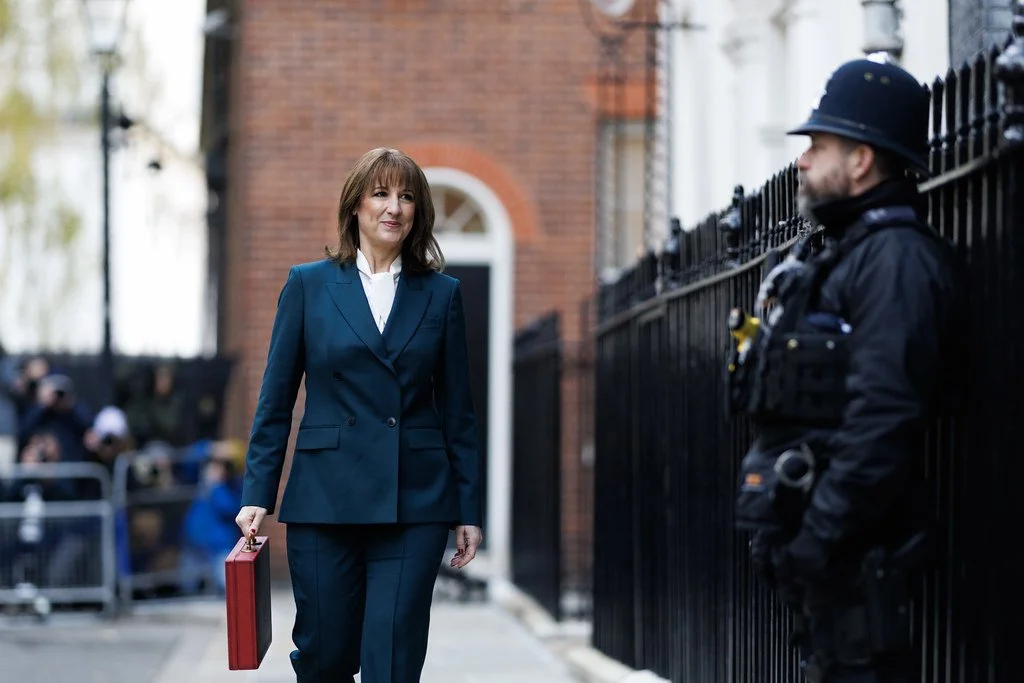
Chancellor Rachel Reeves’ March 2026 Spring Statement was notably silent on property tax reform. While the industry called for a "regionalised" approach to banding to help buyers in high-price areas like London and the South East, the Treasury opted for stability over stimulus.
For many, this "stability" feels like a stealth tax. Because house prices have continued to rise while tax thresholds remain anchored to 2025 levels, more buyers are being pushed into higher tax brackets simply by staying in the market.
Current 2026 Stamp Duty Rates: Where Do You Stand?
Since the temporary "mini-budget" thresholds fully expired in April 2025, the following rates apply to all residential purchases in England and Northern Ireland today
| Property Value (Main Residence) | SDLT Rate (2026) |
|---|---|
| Up to £125,000 | 0% |
| £125,001 to £250,000 | 2% |
| £250,001 to £925,000 | 5% |
| £925,001 to £1.5 million | 10% |
| Over £1.5 million | 12% |
*Note: These rates apply to the purchase of a main residential property. If you are buying a second home or a buy-to-let, a 5% surcharge usually applies on top of these rates.
First-Time Buyer Relief
First-time buyers (FTBs) still benefit from a higher nil-rate band, but it is significantly lower than in previous years:
0% tax on the first £300,000.
5% tax on the portion between £300,001 and £500,000.
Note: If the property costs more than £500,000, no FTB relief applies, and standard rates are used from the £125,000 mark
The Second Home Surcharge: The 5% Barrier
If you are purchasing a second home or a buy-to-let investment, the "Reeves Surcharge" is now a major factor. In late 2024, the additional property rate was hiked to 5% on top of standard rates.
Example: Buying a £300,000 additional property in 2026 now incurs a total Stamp Duty bill of £20,000—a significant upfront cost that is causing many investors to rethink their portfolios.
Looking Ahead: The "Mansion Tax" Surcharge
While SDLT remained unchanged in the latest statement, the Chancellor has confirmed a new High Value Council Tax Surcharge (the so-called "Mansion Tax") for homes valued over £2 million. While this won't be collected until April 2028, the "targeted revaluations" are beginning now. This is a clear signal that the government is shifting toward wealth-based property taxation.
How Plouta Helps You Navigate the 2026 Market
At Plouta, we know that buying a home isn't just about the mortgage—it's about the "Total Cost of Ownership."
Bespoke Advice for Your Journey: Every plan we create is built around your individual circumstances and future goals. We don't believe in generic calculators; we believe in financial freedom through precision.
Partnered Advisers: Because Plouta App is not yet a regulated firm, we connect you with our elite network of FCA-regulated partnered advisers. They provide the technical expertise to ensure your property purchase is tax-efficient and integrated into your long-term retirement planning.
The Plouta App: Use the app to track your "Total Acquisition Cost," including SDLT, legal fees, and survey costs, ensuring you have the clarity needed to reach your goals without surprise bills.
Frequently Asked Questions
1. Can I carry over my £20,000 ISA allowance?
No. If you only put £10,000 in your ISA by April 5, the remaining £10,000 allowance is lost. It does not roll over to the next tax year.
2. What happens to my pension in April 2027?
While the focus is on 2026, remember that from April 2027, most unused pensions will fall into your estate for Inheritance Tax purposes. Planning your withdrawals and gifting strategies now is essential.
3. Is the Marriage Allowance worth doing?
If one partner earns less than the personal allowance (£12,570) and the other is a basic-rate taxpayer, you can transfer £1,260 of allowance, saving up to £252 in tax. It’s small but simple to do via the HMRC portal.
4. Should I invest in VCTs or EIS before April?
For very high earners, Venture Capital Trusts (VCTs) offer 30% upfront income tax relief. However, these are high-risk investments. Always consult a Plouta-partnered adviser before committing.
Don't Leave Your 2026 Planning to the Last Minute
Tax planning is most effective when done with a cool head, not in a rush on April 4. By taking action today, you ensure that more of your money stays in your pocket and is working toward your financial freedom.
Your Next Steps:
Run your numbers: Use the UK Salary Tax Calculator to see your 2025/26 liability.
Audit your ISA: Have you reached the £20k limit?
Consult the experts: Book a 2026 Tax Review with a Plouta-partnered adviser to ensure your business and pension assets are protected.

Take control of your retirement, starting today.
Use Plouta to track your savings, forecast your retirement and get clear, practical advice tailored to your goals.
Disclaimer: Plouta is a financial wellness platform and does not provide regulated advice directly. All bespoke planning and professional recommendations are provided by our carefully selected, FCA-regulated partnered advisers. Tax treatment depends on your individual circumstances and legislation may change. Your capital is at risk.