
Five Things to Do With Your Money Before the Autumn Budget 2026, According to Financial Experts
From reviewing your pension and ISA allowances to protecting your savings and planning for potential tax changes, here are five practical financial steps worth considering before the Chancellor announces the next UK Budget.
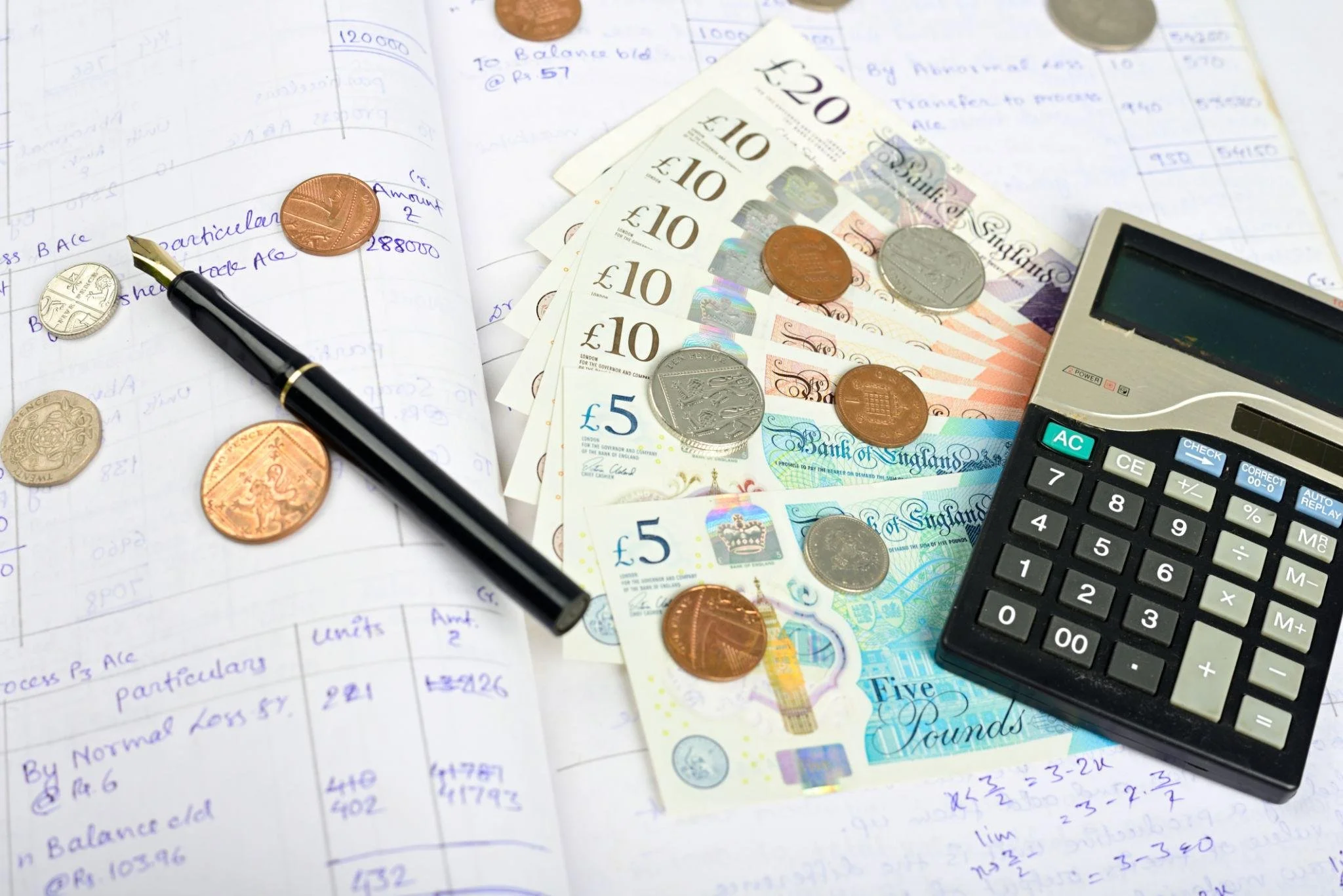
With the Autumn Budget approaching, millions of people across the UK may be wondering what potential changes to taxes, pensions, savings and investments could mean for their finances.
A Budget can affect everything from how much income tax you pay to the incentives available for saving towards retirement or buying your first home. However, waiting until the announcements are made could leave you with less time to consider your options if changes take effect quickly.
Financial planning specialists generally encourage people to review their finances regularly rather than making rushed decisions based on Budget speculation.
The good news is that you don't need to be wealthy or have a financial adviser on speed dial to prepare. Whether you're building an emergency fund, saving for your first property, contributing to a workplace pension or managing several investments, there are sensible steps you can take now.
At a glance: Five things to consider before the Budget
| Priority | What to do | Why it matters |
|---|---|---|
| 1. Pensions | Review contributions and tax relief | Understand your retirement savings and available allowances |
| 2. ISAs | Check your tax-free savings and investments | Make informed use of existing allowances |
| 3. Savings | Review interest rates and emergency funds | Protect accessible cash and avoid unnecessary lost interest |
| 4. Investments | Check your portfolio and potential tax exposure | Understand capital gains, dividends and investment risk |
| 5. Financial health | Calculate net worth and review debts | Know your financial position before policies change |
These steps are about preparation, not predicting what the Chancellor will announce.

Take control of your money and savings, starting today.
Use Plouta to track your savings, forecast your retirement and get clear, practical advice tailored to your goals.
1. Review your pension contributions and available tax relief
For many UK workers, pensions are one of the most valuable long-term financial assets they own. Yet they're also among the easiest to overlook.
If you have changed jobs several times, you may have multiple workplace pensions with different providers, contribution levels, investment strategies and charges. Before the Budget, it is worth reviewing how much you're contributing, whether you're receiving your full employer contribution and how your pension fits into your retirement plans.
Understand your pension annual allowance
For the 2026/27 tax year, the standard pension annual allowance is £60,000 for most individuals. This generally covers total pension input, including employer contributions and tax relief.
However, your personal limit may be lower because of your earnings, the tapered annual allowance or the Money Purchase Annual Allowance if you have flexibly accessed certain pension benefits.
Eligible unused allowances from the previous three tax years may also be carried forward, subject to the rules.
For example, someone earning £50,000 who contributes 5% of qualifying earnings into a workplace pension might receive an additional employer contribution. The exact amount depends on the scheme and whether contributions are calculated on qualifying earnings or another definition of pensionable pay.
Five pension checks worth making
Check your current pension balance and projected retirement income.
Confirm you're receiving the maximum employer contribution available under your scheme.
Review investment charges and your pension's risk level.
Locate pensions from previous employers.
Check your tax relief eligibility before making additional contributions.
Important: Do not increase pension contributions simply because of rumours about Budget changes. Pension money is normally inaccessible until the minimum pension age, and withdrawing it later may have tax consequences.
How Plouta can help you monitor your retirement savings
Your pension shouldn't exist in isolation from the rest of your finances.
With Plouta, you can record pension balances alongside your savings, investments, property and other assets to build a clearer picture of your overall wealth. Instead of thinking only about your pension balance, you can see how retirement savings contribute to your broader net worth.
2. Check your ISA allowances and tax-free savings
Individual Savings Accounts (ISAs) remain an important part of financial planning for UK residents because qualifying interest, investment income and capital gains within an ISA are generally free from UK income tax and capital gains tax.
The overall adult ISA subscription allowance for the 2026/27 tax year is £20,000, subject to the rules for different ISA types.
There are several types of ISA, each designed for different financial needs.
| ISA Type | Main Purpose | Key Consideration |
|---|---|---|
| Cash ISA | Tax-free cash savings | Compare rates and access restrictions |
| Stocks and Shares ISA | Long-term investing | Investments can fall in value |
| Lifetime ISA | First home or later-life savings | Eligibility, £4,000 annual limit and withdrawal restrictions |
| Innovative Finance ISA | Eligible peer-to-peer investments | Higher risks and potentially limited liquidity |
Should you use your ISA allowance before the Budget?
There is no general requirement to use your entire allowance before the Autumn Budget. The tax-year deadline is 5 April 2027, and unused annual ISA allowance cannot normally be carried into the next tax year. Nevertheless, reviewing your position now can help you make decisions without rushing.
For example, suppose you have £12,000 in an ordinary savings account and are considering moving some money into a Cash ISA. Before doing so, compare interest rates, withdrawal conditions, your Personal Savings Allowance and any future need for the cash.
An ISA is not automatically the best option simply because its returns are tax-free.
What about Lifetime ISAs?
For eligible first-time buyers, a Lifetime ISA offers a government bonus of 25% on qualifying contributions, up to £1,000 on the maximum £4,000 annual contribution. However, non-qualifying withdrawals normally incur a 25% charge on the amount withdrawn, which can leave you with less than you originally contributed.
This makes it particularly important to understand the rules before transferring money.
Track your ISAs alongside other investments
If you have a Cash ISA with one provider, a Stocks and Shares ISA with another and a pension elsewhere, keeping track of your total wealth can become complicated. Plouta's Net Worth Tracker allows you to record different savings and investment accounts in one place, helping you understand how each contributes to your financial position.
You can also review your financial goals and consider whether your savings are aligned with them.
3. Review your savings interest rates and build an emergency fund
With household expenses remaining a concern for many UK families, one of the most practical steps before the Budget is to check whether your savings are working hard enough. You may have money sitting in an account paying very little interest, while other accounts offer more competitive returns.
Even relatively small differences in interest rates can add up over time.
How much difference could a better savings rate make?
Consider someone holding £15,000 in savings.
| Annual Interest Rate | Interest Over One Year |
|---|---|
| 1% | £150 |
| 3% | £450 |
| 4% | £600 |
| 5% | £750 |
Example based on £15,000 in savings, assuming a constant annual interest rate, no withdrawals and simple interest. Figures are illustrative and before any applicable tax.
Moving from an account paying 1% to one paying 4% could generate an additional £450 annually before tax, without increasing the original deposit. However, always check whether a higher advertised rate is temporary, variable or subject to restrictions.
Build an emergency savings buffer
Before committing additional money to long-term investments, consider whether you have sufficient cash available for unexpected expenses. The government-backed MoneyHelper service suggests that three to six months of essential expenditure is a useful emergency savings target.
For example, if your essential monthly expenses total £1,800, a reasonable target might be:
The right amount depends on your employment stability, household commitments, dependants and other sources of financial support.
Calculate your own emergency fund
Emergency Fund Calculator
Don't forget tax on savings interest
For the 2026/27 tax year, the Personal Savings Allowance is generally:
£1,000 for basic-rate taxpayers.
£500 for higher-rate taxpayers.
£0 for additional-rate taxpayers.
Other rules, including the starting rate for savings, may apply depending on your income.

How Plouta can help
Plouta's expense tracking and financial goals features can help you understand your spending, record savings targets and monitor progress. By reviewing your regular expenses, you can identify opportunities to redirect money towards your emergency fund. For instance, reducing avoidable spending by £75 per month could free up £900 over a year. The important thing is consistency. You don't necessarily need to save hundreds of pounds immediately to begin improving your financial security.
4. Review your investments, capital gains and potential tax exposure
If you own shares, investment funds, ETFs, cryptocurrency or investment property, the period before the Budget is a useful opportunity to review your holdings. Tax rules can influence investment decisions, but they shouldn't be the only factor. Before making changes, consider your investment objectives, how long you intend to hold your assets and whether your portfolio still reflects your financial circumstances.
Understand Capital Gains Tax
Capital Gains Tax (CGT) may apply when you dispose of certain assets that have increased in value. For the 2026/27 tax year, most individuals have an annual CGT exempt amount of £3,000. The main CGT rates for individuals are generally 18% and 24%, depending on taxable income and the nature of the gain, with special rules for certain assets and reliefs.
For example, imagine you bought shares outside an ISA for £10,000 and subsequently sold them for £16,000.
Your gain would be £6,000 before allowable costs, losses and reliefs.
If you had no other chargeable gains and qualified for the full £3,000 annual exemption, £3,000 could remain potentially taxable. That does not automatically mean you should sell investments before the Budget. A disposal may create a tax liability, and reinvesting could involve costs or unnecessary risk.
What about dividend income?
The Dividend Allowance for 2026/27 is £500. The ordinary and upper dividend tax rates for the year are 10.75% and 35.75%, respectively, with the additional rate at 39.35%. If you hold dividend-paying investments outside tax-efficient accounts, reviewing expected dividend income could help you anticipate your tax position.
Consider these questions before making changes
Are your investments aligned with your long-term financial goals?
Are you taking more risk than you are comfortable with?
Do you hold investments across several providers?
Could selling assets trigger capital gains tax?
Are you making appropriate use of tax-efficient investment accounts?
If you are considering significant disposals, transfers or pension-related investment decisions, regulated financial or tax advice may be appropriate.
See your investments as part of your overall wealth
See your investments as part of your overall wealth
One challenge for investors is that their wealth may be spread across multiple platforms.
You might have shares in one account, an ETF portfolio elsewhere, cryptocurrency holdings and several pension schemes. Plouta's Net Worth Tracker helps you record these assets in a consolidated view, making it easier to understand your total financial position.
This can be particularly useful when reviewing your portfolio before major economic announcements. Remember that a consolidated financial overview is not a substitute for investment advice, and manually recorded values may need updating.
5. Calculate your net worth, review debts and create a financial plan
Perhaps the most important thing you can do before the Budget is also one of the simplest: understand where you stand financially today.
Many people know how much they earn each month but cannot easily answer questions such as:
How much do I actually own?
How much debt do I have?
How much of my wealth is accessible?
Am I financially better off than I was last year?
Could I manage if my expenses increased?
Your salary is only one part of your financial position. Your net worth provides a broader picture.
What is net worth?
Net worth is the value of everything you own minus everything you owe.
For example, consider the following hypothetical household.
| Assets | Value |
|---|---|
| Property | £350,000 |
| Savings | £15,000 |
| Pensions | £65,000 |
| Stocks and Shares ISA | £20,000 |
| Other investments | £5,000 |
| Total Assets | £455,000 |
| Liabilities | Value |
|---|---|
| Outstanding mortgage | £240,000 |
| Personal loan | £8,000 |
| Credit card debt | £2,000 |
| Total Liabilities | £250,000 |
This household has a positive net worth of £205,000, but that doesn't mean it has £205,000 readily available.
Most of the wealth may be tied up in property and pensions.
That's why reviewing liquidity, debt repayments and monthly cash flow is just as important as calculating net worth.
Prioritise expensive debts
If you have high-interest credit card debt or overdrafts, reducing these balances may provide a more predictable financial benefit than pursuing uncertain investment returns.
For example, carrying £3,000 of credit card debt at an illustrative 24% annual interest rate could be costly if the balance remains unpaid.
However, priority bills such as rent, mortgage payments, council tax and essential utilities should be considered first, particularly where arrears exist.
Prepare for different Budget outcomes
Rather than trying to predict every announcement, consider how your finances would respond to three scenarios.
| Scenario | Potential Impact | Practical Preparation |
|---|---|---|
| Higher household costs | Less disposable income | Review spending and emergency savings |
| Changes to tax allowances | Different after-tax income or returns | Understand current allowances and seek advice where needed |
| No major changes affecting you | Financial circumstances remain broadly similar | Continue regular saving and debt reduction |
How Plouta can help you take control
Plouta brings together several aspects of personal financial wellbeing, including net worth tracking, expense management, financial goals, retirement planning and access to professional advisers.
Instead of reviewing your finances only when a Budget is announced, you can use the app to build a more consistent understanding of your financial position.
Explore the Plouta financial wellness app to learn more about its available features.
What could the Autumn Budget 2026 mean for your finances?
The UK Autumn Budget is scheduled for Wednesday 28 October 2026, according to HM Treasury.
The Chancellor faces decisions involving household costs, taxation, economic growth and government spending. Recent reporting has highlighted possible changes involving property taxation, energy support and other fiscal measures, but these remain proposals or speculation until formally announced.
For households, the most useful approach is to distinguish between confirmed rules and potential changes.
Avoid transferring pensions, selling investments or committing large amounts of money solely because of a newspaper headline. The financial decisions you make should remain appropriate even if the anticipated policy change never happens.
Your pre-Budget financial checklist
Your Five-Point Checklist
0 of 5 complete| No. | Financial Checklist | Done |
|---|---|---|
| 1 | ||
| 2 | ||
| 3 | ||
| 4 | ||
| 5 |
Frequently asked questions
When is the UK Autumn Budget 2026?
The Autumn Budget is scheduled for Wednesday 28 October 2026. The Chancellor is expected to outline the government's taxation, spending and economic priorities.
Should I put more money into my pension before the Budget?
Not necessarily. Additional pension contributions can be tax-efficient, but they should be considered alongside your retirement plans, pension allowances, liquidity needs and personal tax circumstances. Avoid decisions driven solely by unconfirmed policy changes.
Should I use my ISA allowance before the Budget?
You can review your ISA allowance now, but the normal deadline for using the 2026/27 allowance is 5 April 2027. There is no general requirement to use it before the October Budget. Future changes could have different effective dates.
Can the Budget affect my savings?
Yes. Changes to taxation, savings incentives and wider economic policy may influence the value of savings or their after-tax returns. Interest rates are also influenced by Bank of England monetary policy, which is separate from the Budget.
Is it worth paying off debt before investing?
High-interest debt repayment is often worth prioritising because the interest saved can exceed the uncertain returns from investments. However, essential bills, emergency cash and employer pension contributions also deserve consideration.
How much emergency savings should I have?
A commonly suggested target is three to six months of essential household expenditure. The right amount varies according to your circumstances, and even a smaller emergency fund can provide useful protection.
Can I track pensions, savings and investments together?
Yes. A financial tracking tool such as Plouta can help you record different assets and liabilities in one place, giving you a more complete view of your net worth. The accuracy of the overview depends on keeping the information up to date.
Should I speak to a financial adviser before the Budget?
If you're making complex decisions involving pensions, investments, inheritance planning or substantial assets, speaking with an appropriately qualified and regulated adviser may help. For straightforward budgeting and savings reviews, free guidance from MoneyHelper may be a useful starting point.
Final thoughts: The best Budget preparation starts with understanding your money
You cannot control what the Chancellor announces on 28 October, but you can control how well prepared you are.
Reviewing your pensions, making informed use of ISA allowances, building emergency savings, understanding investments and tracking net worth can all strengthen your financial position regardless of the Budget outcome.
The goal is not to make dramatic financial changes before a government announcement. It is to develop better financial habits that support your long-term wellbeing.
Disclaimer: Plouta is a financial wellness platform and does not provide regulated advice directly. All bespoke planning and professional recommendations are provided by our carefully selected, FCA-regulated partnered advisers. Tax treatment depends on your individual circumstances and legislation may change. Your capital is at risk.